

In partnership with ISCPA Paris

In partnership with France-Antilles
Initial training
Make the voice of reality heard
Bachelor of Journalism
Making sense of the world from the Caribbean. Reporting, investigating, and sharing stories with insight. Giving our region a voice. We're launching the Bachelor in Journalism in partnership with ISCPA, backed by France-Antilles.

Dual degree with Saint Paul University in Ottawa
In partnership with France-Antilles
Initial training
Make the voice of reality heard
Bachelor of Journalism
Making sense of the world from the Caribbean. Reporting, investigating, and sharing stories with insight. Giving our region a voice. We're launching the Bachelor in Journalism in partnership with ISCPA, backed by France-Antilles.
In partnership with ISCPA Paris
In partnership with France-Antilles
Tuition fees
€4,900 per year
Duration
3 years
Rhythm
- 610 hours of coursework. - 2 to 3 months of internship. - 3rd year work-study program.
Entry level
High school diploma or equivalent
Output level
Level 6: Bachelor's Degree (3 years after high school)
Admission Procedure
Application file > admission interview > admission tests: - MCQ & 60-min written test - 30-min oral exam
Overview of the program
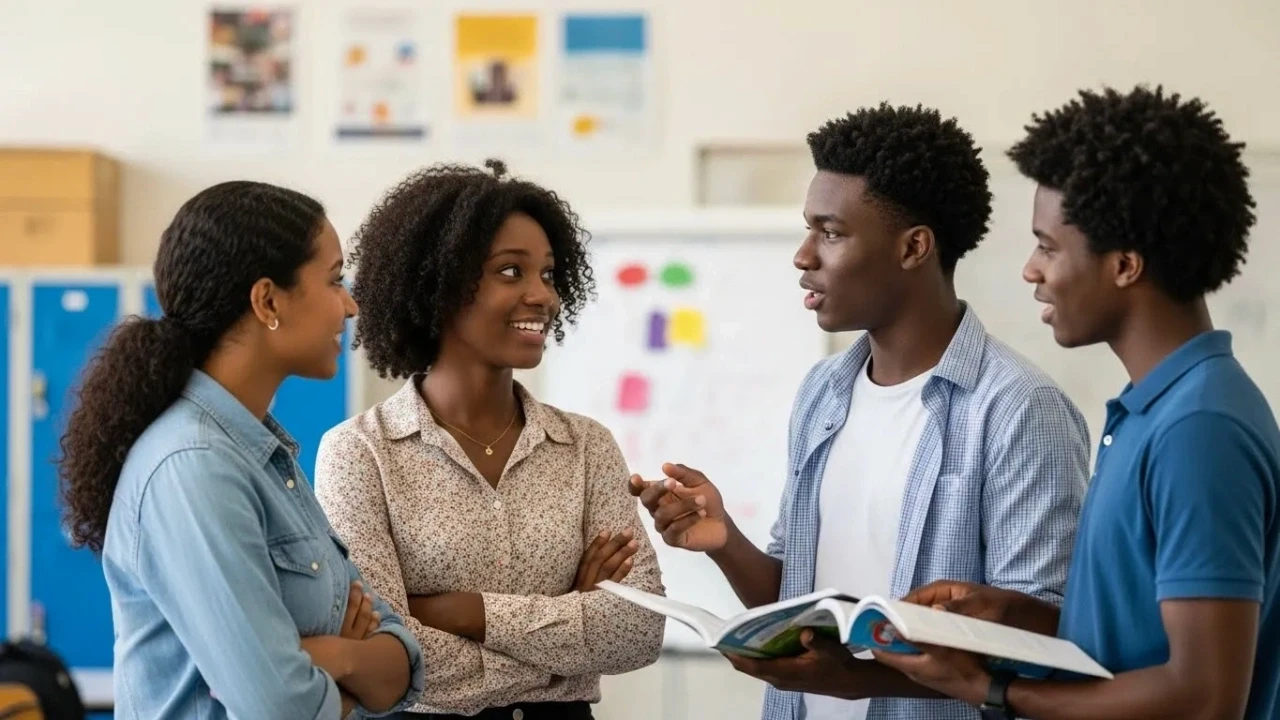
This bachelor's program is for anyone looking to understand the world and report the news with rigor. It combines a strong foundation in general knowledge, intensive hands-on field experience, training in multimedia storytelling, and progressive professional immersion to shape adaptable, responsible journalists.
What the course offers
What the
training offers
- Level 6 RNCP-certified Journalist title - Partnership with ISCPA - 610 course hours - 2 to 3-month internship - Multimedia and hands-on field training
Why choose this training
Why choose
this training
The program builds the full range of skills expected of today's journalists—from gathering information to reporting it responsibly—while integrating digital tools, critical thinking, editorial storytelling, and content promotion.
Some key points
Information monitoring and investigation
Skills developed
Skills developed
- Set up a structured daily news monitoring routine - Spot relevant topics with strong public interest - Track down reliable and diverse sources - Fact-check and cross-reference information - Conduct on-the-ground reporting - Protect sources and secure data
Journalistic Writing and Reporting
- Define a consistent journalistic angle - Apply standard journalistic writing practices - Structure an article to fit different formats - Tailor your tone to the target audience - Write for both print and web - Work with editorial guidelines and constraints
Multimedia production and storytelling
- Produce audio and video content - Conduct interviews and reports - Work with radio and television tools - Practice mobile journalism - Design multimedia formats - Edit picture and sound
Ethical outreach and brand awareness
- Uphold journalistic ethics - Combat fake news - Understand media law - Showcase your editorial work - Build your digital footprint - Engage an audience on social media
Our Bachelor in Journalism offers an immersive experience centered on hands-on practice, giving students a real taste of fieldwork, production deadlines, and the responsibilities that come with reporting the news.
Hands-on workshops, field reporting, editorial production, simulated newsroom scenarios, and supervised projects modeled after professional media operations.
A pragmatic learning experience
A pragmatic
learning experience
An active campus life that encourages connections, group projects, and collaborative learning in a close-knit, human-scale environment.
Teaching Methods
Regular academic mentoring, personalized guidance, internship support, and help building your career plan.
Campus Life
The bachelor's program prepares you to step into journalism and media careers, or to pursue specialized advanced studies, in an industry that demands adaptability, precision, and critical thinking.
Support
- Journalism Bachelor's (Sophomore & Junior years) - Accredited journalism schools - Specialized broadcast and multimedia programs - Media and communications tracks - Master's in Information & Communication - Data or digital journalism programs

Career Opportunities
Career Opportunities
Examples of Jobs
Journalism Fundamentals
If you want to continue your studies
The program is structured around a clear learning path that blends core fundamentals, cross-media skill development, and real-world immersion to help you build a strong journalistic identity.
Overview of the diploma
Overview of the degree
Learning media monitoring, investigative reporting, news analysis, and the fundamentals of journalistic writing.
Writing and Digital Media
Proficient in web formats, social media, new media, digital tools, and initial multimedia production.
On-the-ground production and immersion
An introduction to radio, TV, and mobile journalism (MOJO), along with hands-on reporting and real-world professional immersion through an internship.
#REF! (VLOOKUP evaluates to an out of bounds range.)
They have experienced what
you are about to experience
They experienced what you will experience
Their words describe the journey through this training, the doubts, successes, and shared energy better than our brochures.

I've learned to ask the right questions. It seems simple, but it makes all the difference when you have to tell a story.
Elodie
Bachelor of Journalism
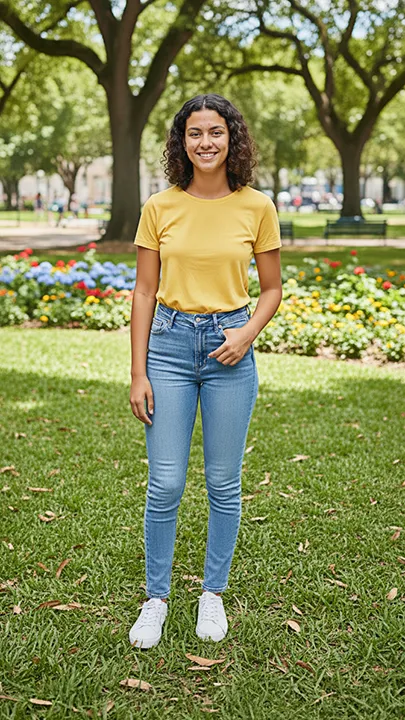
I really understood what it means to fact-check information. It takes work, but it's necessary.
Melissa
Bachelor of Journalism
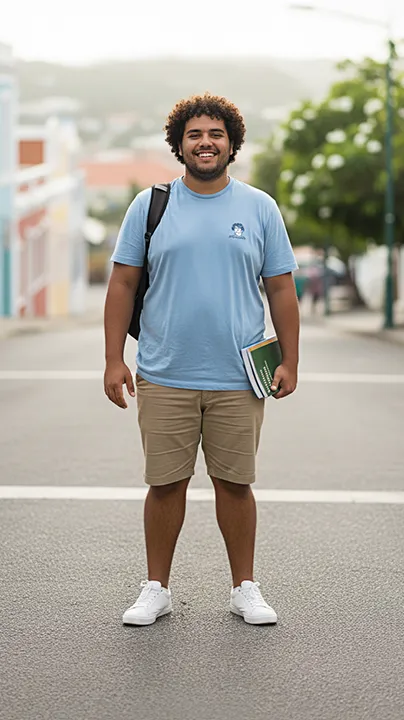
The exercises helped me to speak up without stressing. I feel more confident now.
Yoann
Bachelor of Journalism
In partnership with ISCPA Paris
In partnership with France-Antilles
Initial training
Make the voice of reality heard
Bachelor of Journalism
Making sense of the world from the Caribbean. Reporting, investigating, and sharing stories with insight. Giving our region a voice. We're launching the Bachelor in Journalism in partnership with ISCPA, backed by France-Antilles.
In partnership with ISCPA Paris
In partnership with France-Antilles
See the practical information
Overview of the program
This bachelor's program is for anyone looking to understand the world and report the news with rigor. It combines a strong foundation in general knowledge, intensive hands-on field experience, training in multimedia storytelling, and progressive professional immersion to shape adaptable, responsible journalists.
What the
training offers
- Level 6 RNCP-certified Journalist title - Partnership with ISCPA - 610 course hours - 2 to 3-month internship - Multimedia and hands-on field training
Why choose this training
The program builds the full range of skills expected of today's journalists—from gathering information to reporting it responsibly—while integrating digital tools, critical thinking, editorial storytelling, and content promotion.
Some key points
Information monitoring and investigation
Skills developed
- Set up a structured daily news monitoring routine - Spot relevant topics with strong public interest - Track down reliable and diverse sources - Fact-check and cross-reference information - Conduct on-the-ground reporting - Protect sources and secure data
Journalistic Writing and Reporting
- Define a consistent journalistic angle - Apply standard journalistic writing practices - Structure an article to fit different formats - Tailor your tone to the target audience - Write for both print and web - Work with editorial guidelines and constraints
Multimedia production and storytelling
- Produce audio and video content - Conduct interviews and reports - Work with radio and television tools - Practice mobile journalism - Design multimedia formats - Edit picture and sound
Ethical outreach and brand awareness
- Uphold journalistic ethics - Combat fake news - Understand media law - Showcase your editorial work - Build your digital footprint - Engage an audience on social media
Our Bachelor in Journalism offers an immersive experience centered on hands-on practice, giving students a real taste of fieldwork, production deadlines, and the responsibilities that come with reporting the news.
Hands-on workshops, field reporting, editorial production, simulated newsroom scenarios, and supervised projects modeled after professional media operations.
A pragmatic learning experience
An active campus life that encourages connections, group projects, and collaborative learning in a close-knit, human-scale environment.
Teaching Methods
Regular academic mentoring, personalized guidance, internship support, and help building your career plan.
Campus Life
The bachelor's program prepares you to step into journalism and media careers, or to pursue specialized advanced studies, in an industry that demands adaptability, precision, and critical thinking.
Support
- Journalism Bachelor's (Sophomore & Junior years) - Accredited journalism schools - Specialized broadcast and multimedia programs - Media and communications tracks - Master's in Information & Communication - Data or digital journalism programs
Career Opportunities
Examples of Jobs
Journalism Fundamentals
If you want to continue your studies
The program is structured around a clear learning path that blends core fundamentals, cross-media skill development, and real-world immersion to help you build a strong journalistic identity.
Overview
of the diploma
Learning media monitoring, investigative reporting, news analysis, and the fundamentals of journalistic writing.
Writing and Digital Media
Proficient in web formats, social media, new media, digital tools, and initial multimedia production.
On-the-ground production and immersion
An introduction to radio, TV, and mobile journalism (MOJO), along with hands-on reporting and real-world professional immersion through an internship.
#REF! (VLOOKUP evaluates to an out of bounds range.)
They have experienced what
you are about to experience
Their words describe the journey through this training, the doubts, successes, and shared energy better than our brochures.
I've learned to ask the right questions. It seems simple, but it makes all the difference when you have to tell a story.
Elodie
Bachelor of Journalism
I really understood what it means to fact-check information. It takes work, but it's necessary.
Melissa
Bachelor of Journalism
The exercises helped me to speak up without stressing. I feel more confident now.
Yoann
Bachelor of Journalism