
In partnership with ISCPA Paris
Initial training
Make the voice of reality heard
Bachelor of Journalism
Understanding the world from the Caribbean. Reporting, investigating, sharing with discernment. Giving a voice to its territory.

Dual degree with Saint Paul University in Ottawa
Tuition fees
€4,900 per year
Duration
3 years
Rhythm
- 610 hours of classes. - 2 to 3 months of internship.
Entry level
High school diploma or equivalent
Output level
Level 6: Bachelor's Degree (3 years after high school)
Admission Procedure
File review and motivation interview
Tuition fees
€4,900 per year
Duration
3 years
Rhythm
- 610 hours of classes. - 2 to 3 months of internship.
Entry level
High school diploma or equivalent
Output level
Level 6: Bachelor's Degree (3 years after high school)
Admission Procedure
File review and motivation interview
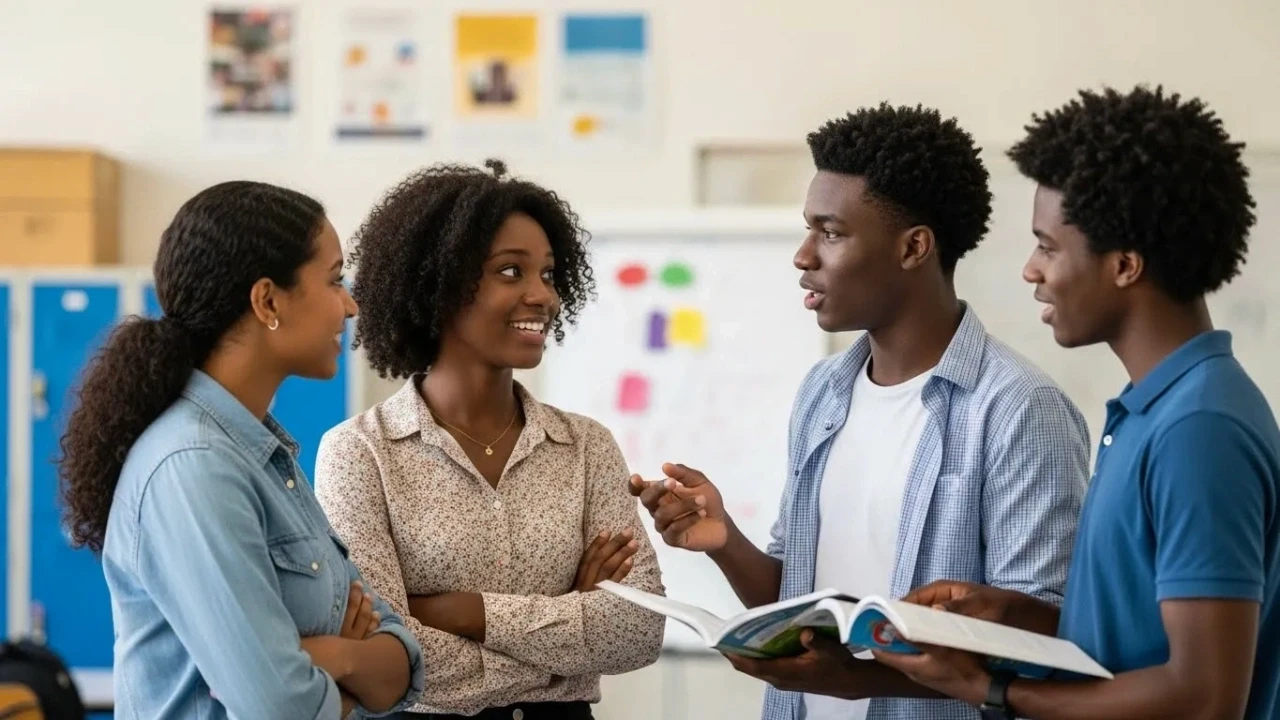
Overview of the program
The Bachelor's in Journalism teaches the basics of the profession through information monitoring, investigation, critical analysis of current events, and content production in print, web, audio, and video formats, incorporating digital transformations and contemporary democratic issues.
What the course offers
What the
training offers
A professional training program that teaches how to research, verify, prioritize, and tell information, while mastering current media formats, digital tools, and the ethical demands of journalism.
Why choose this training
Why choose
this training
This bachelor's degree is aimed at those who want to understand the world and report with rigor. It combines a strong general culture, intensive field practice, learning of multimedia formats, and gradual professional immersion, to train adaptable and responsible journalists.
Some key points
- RNCP Title Journalist Level 6 - Partnership with ISCPA - 610 hours of courses - Professional internship 2 to 3 months - Multiplatform and field training
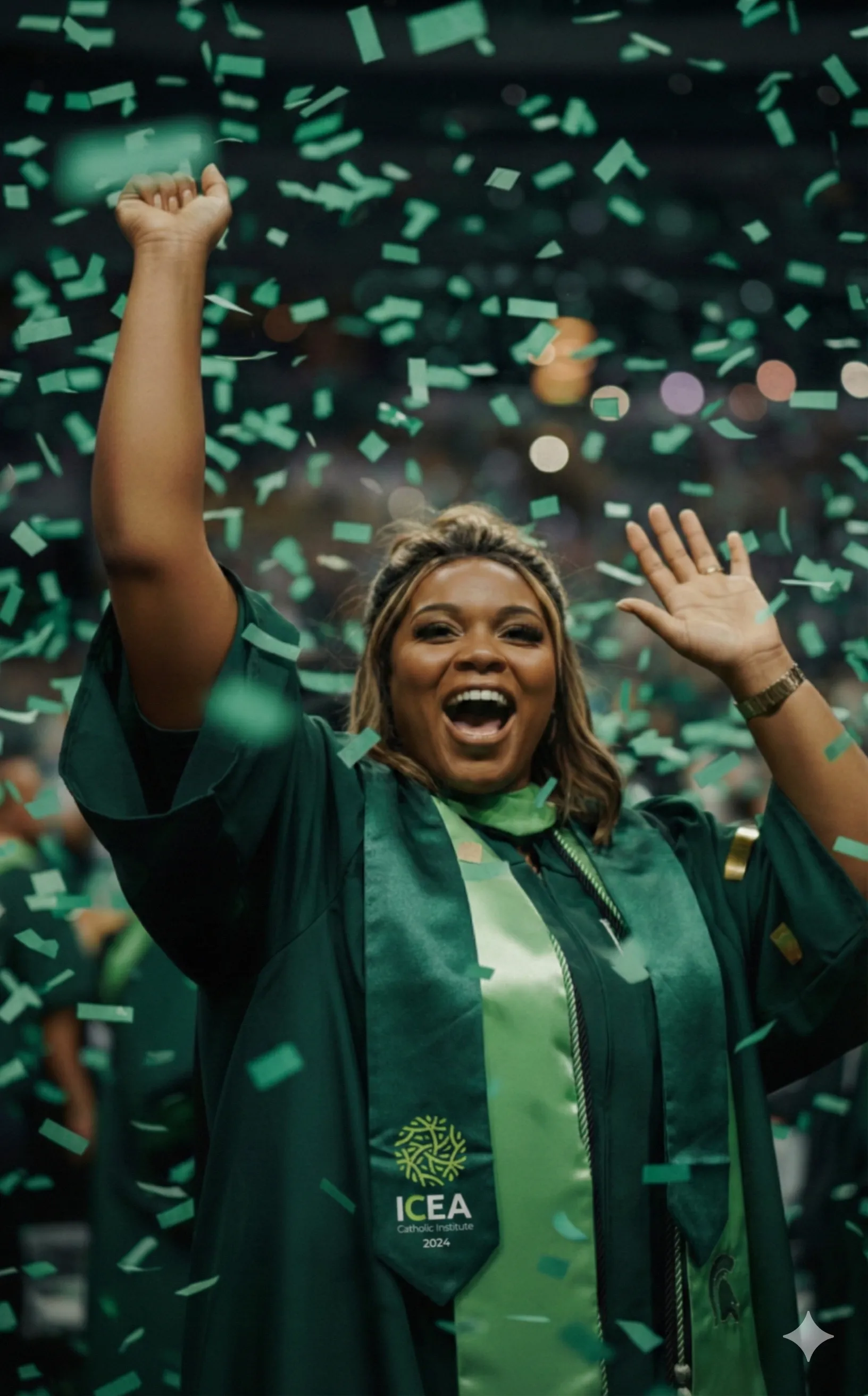
Skills developed
Skills developed
The training develops all the skills expected of a modern journalist, from gathering information to its responsible dissemination, integrating digital tools, critical analysis, editorial storytelling, and enhancing productions.
Information monitoring and investigation
- Build a structured daily information watch - Identify relevant topics of high public interest - Search for reliable and diverse sources - Verify information through cross-checking - Conduct field investigations - Protect your sources and data
Writing and journalistic processing
- Define a consistent journalistic angle - Apply journalistic writing rules - Structure an article according to formats - Adapt the tone to the target audience - Write for print and web - Incorporate editorial constraints
Multimedia Production and Storytelling
- Produce audio and video content - Conduct interviews and reportages - Use radio and television tools - Practice mobile journalism - Create multimedia formats - Work with image and sound
Ethical broadcasting and reputation
- Apply journalistic ethics - Combat fake news - Understand media law - Enhance editorial productions - Develop your digital identity - Engage an audience on social media
A pragmatic learning experience
A pragmatic
learning experience
The Bachelor in Journalism offers an immersive experience where practical work is central, exposing students to real-world challenges, production constraints, and the responsibilities involved in disseminating information.
Teaching Methods
Hands-on workshops, field surveys, editorial productions, writing simulations, and supervised projects inspired by the workings of professional media.
Campus Life
An active student life promoting exchanges, group projects, and collaborative learning in a human-sized environment.
Support
Regular educational support, individualized follow-up, guidance towards internships, and assistance in building a career plan.

Career Opportunities
Career Opportunities
Examples of Jobs
- Journalist - Freelancer - Multimedia journalist - Web editor - Local reporter - Radio or television journalist
If you want to continue your studies
- Bachelor 2 and 3 Journalism - Recognized journalism schools - Specialized audiovisual training - Communication and media courses - Master's in communication information - Data or web journalism training
Overview of the diploma
Overview of the degree
The training is structured around a pedagogical progression that includes acquiring fundamentals, advancing multimedia skills, and professional immersion to build a solid journalistic identity.
Fundamentals of Journalism
Learning about monitoring, investigation, news analysis, and the basics of journalistic writing.
Digital Writing and Media
Mastery of web formats, social networks, new media, digital tools, and initial multimedia productions.
Field production and immersion
Introduction to radio, television, mobile journalism, creating reports, and professional environment immersion through internships.
They have experienced what
you are about to experience
They experienced what you will experience
Their words describe the journey through this training, the doubts, successes, and shared energy better than our brochures.

I've learned to ask the right questions. It seems simple, but it makes all the difference when you have to tell a story.
Elodie
Bachelor of Journalism
I really understood what it means to fact-check information. It takes work, but it's necessary.
Melissa
Bachelor of Journalism
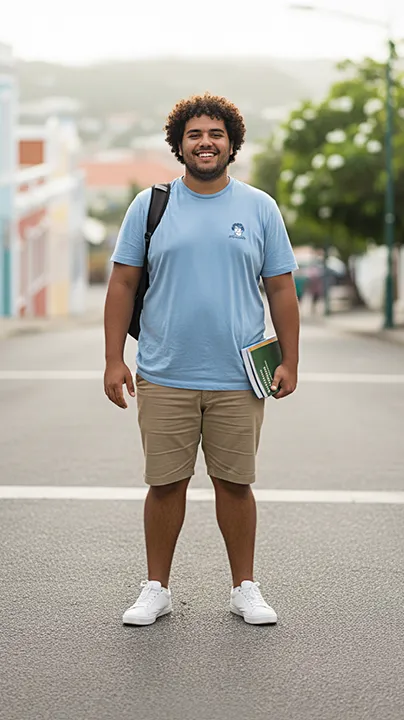
The exercises helped me to speak up without stressing. I feel more confident now.
Yoann
Bachelor of Journalism
In partnership with ISCPA Paris
Initial training
Make the voice of reality heard
Bachelor of Journalism
Understanding the world from the Caribbean. Reporting, investigating, sharing with discernment. Giving a voice to its territory.
Dual degree with Saint Paul University in Ottawa
See the practical information
Overview of the program
The Bachelor's in Journalism teaches the basics of the profession through information monitoring, investigation, critical analysis of current events, and content production in print, web, audio, and video formats, incorporating digital transformations and contemporary democratic issues.
What the
training offers
A professional training program that teaches how to research, verify, prioritize, and tell information, while mastering current media formats, digital tools, and the ethical demands of journalism.
Why choose this training
This bachelor's degree is aimed at those who want to understand the world and report with rigor. It combines a strong general culture, intensive field practice, learning of multimedia formats, and gradual professional immersion, to train adaptable and responsible journalists.
Some key points
- RNCP Title Journalist Level 6 - Partnership with ISCPA - 610 hours of courses - Professional internship 2 to 3 months - Multiplatform and field training
Skills developed
The training develops all the skills expected of a modern journalist, from gathering information to its responsible dissemination, integrating digital tools, critical analysis, editorial storytelling, and enhancing productions.
Information monitoring and investigation
- Build a structured daily information watch - Identify relevant topics of high public interest - Search for reliable and diverse sources - Verify information through cross-checking - Conduct field investigations - Protect your sources and data
Writing and journalistic processing
- Define a consistent journalistic angle - Apply journalistic writing rules - Structure an article according to formats - Adapt the tone to the target audience - Write for print and web - Incorporate editorial constraints
Multimedia Production and Storytelling
- Produce audio and video content - Conduct interviews and reportages - Use radio and television tools - Practice mobile journalism - Create multimedia formats - Work with image and sound
Ethical broadcasting and reputation
- Apply journalistic ethics - Combat fake news - Understand media law - Enhance editorial productions - Develop your digital identity - Engage an audience on social media
A pragmatic learning experience
The Bachelor in Journalism offers an immersive experience where practical work is central, exposing students to real-world challenges, production constraints, and the responsibilities involved in disseminating information.
Teaching Methods
Hands-on workshops, field surveys, editorial productions, writing simulations, and supervised projects inspired by the workings of professional media.
Campus Life
An active student life promoting exchanges, group projects, and collaborative learning in a human-sized environment.
Support
Regular educational support, individualized follow-up, guidance towards internships, and assistance in building a career plan.
Career Opportunities
Examples of Jobs
- Journalist - Freelancer - Multimedia journalist - Web editor - Local reporter - Radio or television journalist
If you want to continue your studies
- Bachelor 2 and 3 Journalism - Recognized journalism schools - Specialized audiovisual training - Communication and media courses - Master's in communication information - Data or web journalism training
Overview
of the diploma
The training is structured around a pedagogical progression that includes acquiring fundamentals, advancing multimedia skills, and professional immersion to build a solid journalistic identity.
Fundamentals of Journalism
Learning about monitoring, investigation, news analysis, and the basics of journalistic writing.
Digital Writing and Media
Mastery of web formats, social networks, new media, digital tools, and initial multimedia productions.
Field production and immersion
Introduction to radio, television, mobile journalism, creating reports, and professional environment immersion through internships.
They have experienced what
you are about to experience
Their words describe the journey through this training, the doubts, successes, and shared energy better than our brochures.
I've learned to ask the right questions. It seems simple, but it makes all the difference when you have to tell a story.
Elodie
Bachelor of Journalism
I really understood what it means to fact-check information. It takes work, but it's necessary.
Melissa
Bachelor of Journalism
The exercises helped me to speak up without stressing. I feel more confident now.
Yoann
Bachelor of Journalism