
Continuing Education
The Right to Serve the Sea
Maritime Law and Environment
A legal specialization rooted in the blue economy to defend the sea, regulate activities, and preserve the marine resources of the Caribbean territory.

Dual degree with Saint Paul University in Ottawa
Tuition fees
€4,990 per year
Duration
66 hours
Rhythm
Sessions spread over several days
Entry level
High School Level
Output level
ICEA Continuing Education Certification (non-RNCP)
Admission Procedure
File Profile verification (maritime professionals, high school students, career changers, job seekers) Access time: 1 week to 3 months
Tuition fees
€4,990 per year
Duration
66 hours
Rhythm
Sessions spread over several days
Entry level
High School Level
Output level
ICEA Continuing Education Certification (non-RNCP)
Admission Procedure
File Profile verification (maritime professionals, high school students, career changers, job seekers) Access time: 1 week to 3 months
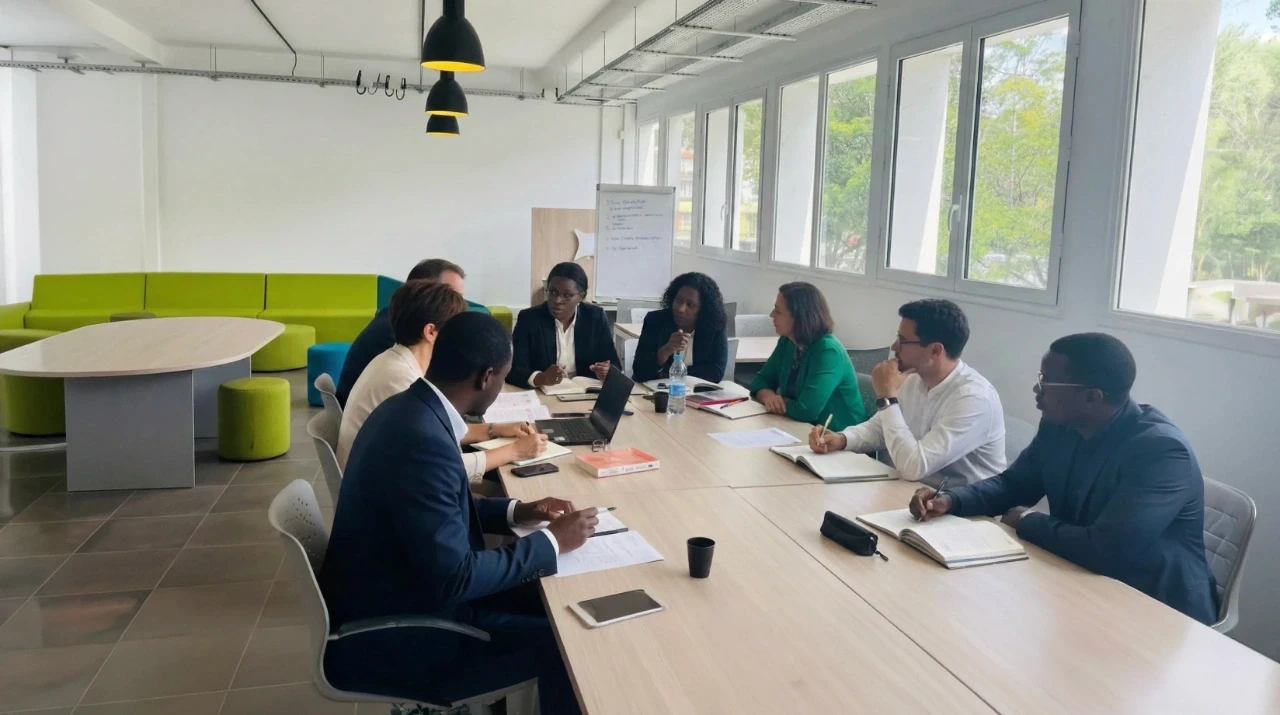
Overview of the program
The training offers a comprehensive legal approach to maritime and coastal environments, combining maritime law, environmental law, and contemporary issues of the blue economy.
What the course offers
What the
training offers
Specialized training to understand the legal rules governing maritime activities, environmental protection, and sustainable management of coastal areas.
Why choose this training
Why choose
this training
This course provides essential legal foundations for maritime and environmental activities. It is designed for those who want to address coastal, biodiversity, and sustainable development issues within an often complex regulatory framework.
Some key points
- Specialized training in blue economy - Comprehensive legal approach - Maritime and environmental law - Practical case studies - Professional speakers

Skills developed
Skills developed
The training develops strong legal skills to understand, analyze, and apply the rules governing maritime activities and environmental protection.
Fundamentals of Maritime Law
- Understand the public maritime domain - Identify competent institutions - Analyze charter contracts - Understand maritime insurance - Read transport documents - Grasp legal responsibilities
Regulations and International Conventions
- Understand international conventions - Identify maritime safety standards - Analyze legal conflicts - Understand maritime arbitration - Apply legal procedures - Situate international law
Maritime Environmental Law
- Understand principles of environmental law - Identify biodiversity laws - Analyze pollution and waste - Grasp protection of environments - Connect law and sustainable development - Understand ecological issues
Management of environmental disputes
- Identify types of disputes - Understand resolution methods - Analyze case studies - Grasp environmental responsibilities - Understand the role of stakeholders - Contextualize territorial issues
A pragmatic learning experience
A pragmatic
learning experience
The training offers an applied legal immersion based on real-life cases, exchanges with professionals, and a thorough understanding of maritime and coastal realities.
Teaching Methods
Theoretical contributions, case studies, individual work, interactive exchanges, and multimedia educational materials.
Campus Life
A learning framework grounded in the realities of the region and the specific challenges of maritime areas.
Support
Guidance by blue economy professionals and educational support throughout your journey.

Career Opportunities
Career Opportunities
Examples of Jobs
- Coastal Project Manager - Blue Economy Consultant - Maritime Environmental Manager - Sustainable Project Manager - Maritime Legal Advisor - Regional Institutional Actor
If you want to continue your studies
- Environmental Law Training - Blue Economy Program - Specialized Legal Studies - Sustainable Development Training - Environmental Masters - Sector-Specific Certifications
Overview of the diploma
Overview of the degree
The training is structured into progressive modules that cover the legal, environmental, and operational aspects of maritime spaces.
Basics of Maritime Law
Introduction to the fundamental concepts, institutions, contracts, and legal responsibilities related to maritime activities.
Environmental Law and Biodiversity
Analysis of environmental protection regulations, biodiversity, and pollution management.
International Disputes and Regulation
Study of conflicts, international conventions, and mechanisms for resolving maritime and environmental disputes.
Continuing Education
The Right to Serve the Sea
Maritime Law and Environment
A legal specialization rooted in the blue economy to defend the sea, regulate activities, and preserve the marine resources of the Caribbean territory.
Dual degree with Saint Paul University in Ottawa
See the practical information
Overview of the program
The training offers a comprehensive legal approach to maritime and coastal environments, combining maritime law, environmental law, and contemporary issues of the blue economy.
What the
training offers
Specialized training to understand the legal rules governing maritime activities, environmental protection, and sustainable management of coastal areas.
Why choose this training
This course provides essential legal foundations for maritime and environmental activities. It is designed for those who want to address coastal, biodiversity, and sustainable development issues within an often complex regulatory framework.
Some key points
- Specialized training in blue economy - Comprehensive legal approach - Maritime and environmental law - Practical case studies - Professional speakers
Skills developed
The training develops strong legal skills to understand, analyze, and apply the rules governing maritime activities and environmental protection.
Fundamentals of Maritime Law
- Understand the public maritime domain - Identify competent institutions - Analyze charter contracts - Understand maritime insurance - Read transport documents - Grasp legal responsibilities
Regulations and International Conventions
- Understand international conventions - Identify maritime safety standards - Analyze legal conflicts - Understand maritime arbitration - Apply legal procedures - Situate international law
Maritime Environmental Law
- Understand principles of environmental law - Identify biodiversity laws - Analyze pollution and waste - Grasp protection of environments - Connect law and sustainable development - Understand ecological issues
Management of environmental disputes
- Identify types of disputes - Understand resolution methods - Analyze case studies - Grasp environmental responsibilities - Understand the role of stakeholders - Contextualize territorial issues
A pragmatic learning experience
The training offers an applied legal immersion based on real-life cases, exchanges with professionals, and a thorough understanding of maritime and coastal realities.
Teaching Methods
Theoretical contributions, case studies, individual work, interactive exchanges, and multimedia educational materials.
Campus Life
A learning framework grounded in the realities of the region and the specific challenges of maritime areas.
Support
Guidance by blue economy professionals and educational support throughout your journey.
Career Opportunities
Examples of Jobs
- Coastal Project Manager - Blue Economy Consultant - Maritime Environmental Manager - Sustainable Project Manager - Maritime Legal Advisor - Regional Institutional Actor
If you want to continue your studies
- Environmental Law Training - Blue Economy Program - Specialized Legal Studies - Sustainable Development Training - Environmental Masters - Sector-Specific Certifications
Overview
of the diploma
The training is structured into progressive modules that cover the legal, environmental, and operational aspects of maritime spaces.
Basics of Maritime Law
Introduction to the fundamental concepts, institutions, contracts, and legal responsibilities related to maritime activities.
Environmental Law and Biodiversity
Analysis of environmental protection regulations, biodiversity, and pollution management.
International Disputes and Regulation
Study of conflicts, international conventions, and mechanisms for resolving maritime and environmental disputes.