
Continuing Education
Create and manage responsibly
Sustainable Entrepreneurship
A continuing education program tailored for professionals looking to develop their skills.

Dual degree with Saint Paul University in Ottawa
Tuition fees
€4,990 per year
Duration
96 hours
Rhythm
Staggered sessions
Entry level
High School Level
Output level
ICEA Continuing Education Certification
Admission Procedure
File Profile verification (maritime professionals, high school students, career changers, job seekers) Access time: 1 week to 3 months
Tuition fees
€4,990 per year
Duration
96 hours
Rhythm
Staggered sessions
Entry level
High School Level
Output level
ICEA Continuing Education Certification
Admission Procedure
File Profile verification (maritime professionals, high school students, career changers, job seekers) Access time: 1 week to 3 months
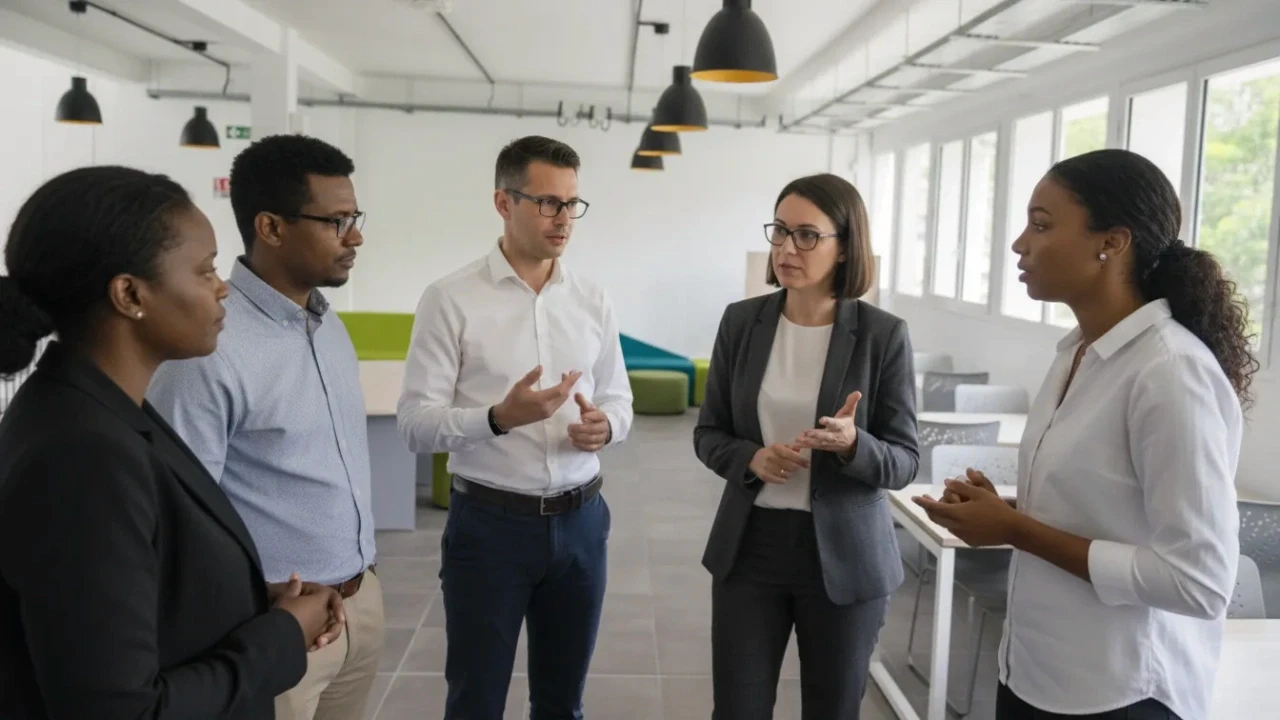
Overview of the program
The training covers the fundamentals of sustainable entrepreneurship by integrating the business model, environmental impact, social responsibility, and local engagement.
What the course offers
What the
training offers
A comprehensive training program to design, organize, and manage a responsible entrepreneurial project, balancing economic viability, social impact, and resource sustainability.
Why choose this training
Why choose
this training
This training is for those who want to take a different approach to entrepreneurship. It helps to structure a viable project that aligns with ecological and social values, while also considering economic and territorial realities.
Some key points
- Impactful Entrepreneurship - Comprehensive Sustainable Approach - Strong Local Roots - Real Entrepreneurial Project - Committed Contributors

Skills developed
Skills developed
The training develops cross-functional entrepreneurial skills that enable the creation and management of sustainable, responsible projects tailored to contemporary challenges.
Fundamentals of Sustainable Entrepreneurship
- Understand the principles of sustainable development - Identify social and environmental issues - Analyze responsible economic models - Understand social and solidarity economy - Connect project and territory - Integrate the concept of impact
Building responsible business models
- Develop a sustainable business model - Integrate environmental constraints - Assess economic viability - Identify sources of funding - Measure the project's impact - Adapt the offering to the market
Project Management and Governance
- Structure an entrepreneurial project - Organize the development steps - Work collaboratively - Establish responsible governance - Manage risks - Guide the project's evolution
Communication and Local Presence
- Value a project with impact - Tailor the discourse to stakeholders - Build local partnerships - Communicate responsibly - Involve local actors - Give meaning to the action
A pragmatic learning experience
A pragmatic
learning experience
The training offers a hands-on experience focused on the personal projects of the participants, promoting experimentation, critical reflection, and local engagement.
Teaching Methods
Case studies, collaborative workshops, work on real projects, and feedback from project leaders.
Campus Life
An environment conducive to exchanges, collective reflection, and the development of committed projects.
Support
Personalized support, project tracking, and methodological assistance throughout the journey.

Career Opportunities
Career Opportunities
Examples of Jobs
- Impact Entrepreneur - Sustainable Projects Manager - CSR Consultant - Social Innovation Leader - Territorial Project Manager - Social Economy Advocate
If you want to continue your studies
- Social Economy Training - Entrepreneurship Pathways - Sustainable Development Training - Project Management Certificates - Impact Masters - Social Innovation Training
Overview of the diploma
Overview of the degree
The training is structured in progressive modules that allow you to move from an idea to a coherent and operational entrepreneurial project.
Understanding the stakes of sustainable entrepreneurship
Analysis of key concepts, environmental and social issues, and responsible economic models.
Building and structuring your project
Work on the business model, feasibility, and impact of the entrepreneurial project.
Deploy a project rooted in the local area
Implementation strategies, local partnerships, and responsible communication.
Continuing Education
Create and manage responsibly
Sustainable Entrepreneurship
A continuing education program tailored for professionals looking to develop their skills.
Dual degree with Saint Paul University in Ottawa
See the practical information
Overview of the program
The training covers the fundamentals of sustainable entrepreneurship by integrating the business model, environmental impact, social responsibility, and local engagement.
What the
training offers
A comprehensive training program to design, organize, and manage a responsible entrepreneurial project, balancing economic viability, social impact, and resource sustainability.
Why choose this training
This training is for those who want to take a different approach to entrepreneurship. It helps to structure a viable project that aligns with ecological and social values, while also considering economic and territorial realities.
Some key points
- Impactful Entrepreneurship - Comprehensive Sustainable Approach - Strong Local Roots - Real Entrepreneurial Project - Committed Contributors
Skills developed
The training develops cross-functional entrepreneurial skills that enable the creation and management of sustainable, responsible projects tailored to contemporary challenges.
Fundamentals of Sustainable Entrepreneurship
- Understand the principles of sustainable development - Identify social and environmental issues - Analyze responsible economic models - Understand social and solidarity economy - Connect project and territory - Integrate the concept of impact
Building responsible business models
- Develop a sustainable business model - Integrate environmental constraints - Assess economic viability - Identify sources of funding - Measure the project's impact - Adapt the offering to the market
Project Management and Governance
- Structure an entrepreneurial project - Organize the development steps - Work collaboratively - Establish responsible governance - Manage risks - Guide the project's evolution
Communication and Local Presence
- Value a project with impact - Tailor the discourse to stakeholders - Build local partnerships - Communicate responsibly - Involve local actors - Give meaning to the action
A pragmatic learning experience
The training offers a hands-on experience focused on the personal projects of the participants, promoting experimentation, critical reflection, and local engagement.
Teaching Methods
Case studies, collaborative workshops, work on real projects, and feedback from project leaders.
Campus Life
An environment conducive to exchanges, collective reflection, and the development of committed projects.
Support
Personalized support, project tracking, and methodological assistance throughout the journey.
Career Opportunities
Examples of Jobs
- Impact Entrepreneur - Sustainable Projects Manager - CSR Consultant - Social Innovation Leader - Territorial Project Manager - Social Economy Advocate
If you want to continue your studies
- Social Economy Training - Entrepreneurship Pathways - Sustainable Development Training - Project Management Certificates - Impact Masters - Social Innovation Training
Overview
of the diploma
The training is structured in progressive modules that allow you to move from an idea to a coherent and operational entrepreneurial project.
Understanding the stakes of sustainable entrepreneurship
Analysis of key concepts, environmental and social issues, and responsible economic models.
Building and structuring your project
Work on the business model, feasibility, and impact of the entrepreneurial project.
Deploy a project rooted in the local area
Implementation strategies, local partnerships, and responsible communication.